In the vast and wonderful world of baking, two humble white powders often stand side-by-side on our pantry shelves, yet their roles couldn't be more distinct: baking soda and baking powder. While both are essential leavening agents crucial for perfect bakes, understanding the fundamental differences between them is the secret sauce (or rather, the secret powder!) to transforming a flat, dense disaster into a light, airy triumph. Experienced and amateur bakers alike often confuse these two due to their similar appearances and shared goal of creating 'lift.' But it's in their methods of achieving that lift where the critical distinctions lie, impacting everything from the texture and flavor to the color of your finished product. This guide will demystify these powerful ingredients, ensuring you master their use for consistently delicious results.
The Fundamental Difference: Baking Soda vs. Baking Powder Explained
Choosing between baking soda and baking powder is one of those small, seemingly insignificant decisions that quietly determines whether a recipe turns out light, tender, and evenly risen, or dense, crumbly, and perhaps even oddly bitter. Both baking soda and baking powder ultimately produce carbon dioxide gas, which gets trapped in the batter, causing it to expand and rise. However, the mechanism by which they generate this gas differs significantly, and this difference hinges on the presence of acidity within your recipe.
Think of it this way: baking soda is like a specific tool that needs a particular fuel (acid) to work, while baking powder is an all-in-one gadget that carries its own fuel supply. This distinction isn't just academic; it’s crucial for everything from ensuring your morning muffins are fluffy to making traditional dishes like dhokla incredibly soft or achieving a lighter, less oily pakora batter. Getting it right removes the guesswork, allowing you to confidently adjust flavor, texture, and color before your creation even reaches the oven or pan.
What Baking Soda Actually Is: The Acid-Seeking Catalyst
Baking soda is chemically known as sodium bicarbonate, a pure, alkaline (basic) compound. Its power lies in its simplicity and its rapid, decisive reaction. When baking soda comes into contact with an acid AND moisture, it immediately releases carbon dioxide bubbles. This reaction is swift and intense, providing an immediate burst of lift to your batter. Because the reaction starts as soon as these key ingredients meet, recipes relying solely on baking soda typically need to be baked or cooked almost immediately after mixing to capitalize on all that energetic gas production before it dissipates.
For baking soda to work its magic effectively, acidic ingredients are absolutely essential. Common culinary triggers include:
- Dairy products: Buttermilk, yogurt, sour cream, kefir, curd
- Citrus: Lemon juice, lime juice
- Vinegars: White vinegar, apple cider vinegar
- Sweeteners: Honey, molasses, brown sugar (due to its molasses content)
- Fruits & Purees: Applesauce, mashed bananas, most fruit purees
- Chocolate & Cocoa: Natural cocoa powder (not Dutch-processed, which is neutralized)
When the reaction is perfectly balanced, it results in quick aeration, a desirable open crumb, and often contributes to deeper, richer browning on the exterior of your baked goods. However, if the balance is off – specifically, if there isn't enough acid to neutralize all the baking soda – you can end up with an unpleasant metallic or sharp, soapy flavor, and a darker, often reddish-brown crumb due to the increased alkalinity.
What Baking Powder Does Differently: The Self-Contained, Double-Acting Dynamo
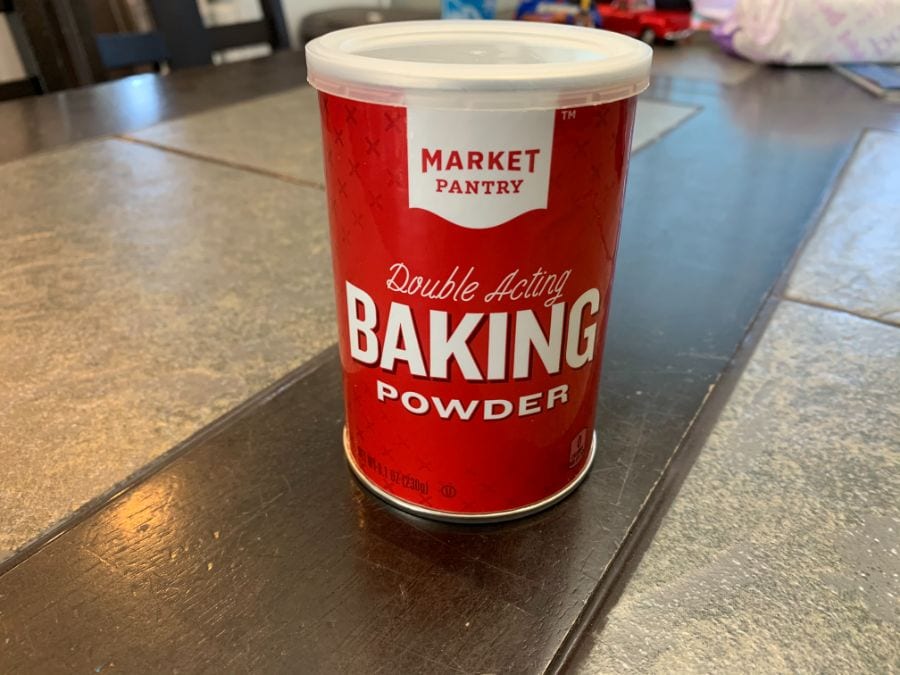
Unlike its solo counterpart, baking powder is a complete leavening system in a single ingredient. It’s essentially a pre-mixed combination that already contains baking soda, one or more dried acids, and a starch (like cornstarch) which acts as a buffer to keep the acid and base from reacting prematurely during storage. This means baking powder does not rely on the recipe's inherent acidity to work; it brings its own acid to the party.
Most baking powders available today are "double-acting," a significant advantage for home bakers. This refers to their two-stage activation process:
- First Reaction (Moisture): A portion of the carbon dioxide gas is released when the baking powder comes into contact with liquid in the batter during mixing.
- Second Reaction (Heat): The remaining and often more significant portion of the gas is released when the batter is exposed to heat in the oven or steamer.
This staggered, more controlled release of gas produces a steadier, more sustained rise and generally results in a finer, more even, and consistent crumb texture. The double-acting nature also gives your batter a bit of a grace period, allowing it time to gain structure before fully expanding. This makes baking powder ideal for recipes that don't contain significant acidic ingredients, such as basic vanilla cakes, cupcakes, cookies, scones, and many pancake batters, where a neutral flavor and reliable rise are desired.
Beyond the Rise: How Leaveners Affect Flavor, Texture, and Color
The impact of baking soda and baking powder extends far beyond just how high your cake rises. These agents subtly but significantly influence the entire sensory experience of your baked goods. To dive deeper into these nuances, you might find our article Beyond Rise: How Baking Soda & Powder Affect Flavor & Texture particularly insightful.
Baking Soda's Influence:
- Flavor: By neutralizing acids, baking soda can mellow out sharp, tangy flavors, resulting in a rounder, less tart taste profile. For instance, it can take the edge off buttermilk or sour cream. However, as mentioned, too much unreacted baking soda will impart a harsh, soapy, or metallic aftertaste.
- Texture: It tends to create a more open, tender, and somewhat coarser crumb due to its rapid, vigorous reaction. It can also contribute to a slightly chewier texture in cookies.
- Color: The alkaline environment created by baking soda promotes the Maillard reaction (browning) and can deepen the color of certain ingredients, like natural cocoa powder, giving it a richer, often reddish-brown hue. Think of classic red velvet cake, which traditionally gets its subtle color boost from baking soda reacting with natural cocoa.
Baking Powder's Influence:
- Flavor: Since baking powder is a balanced system, it generally has a more neutral flavor impact on the finished product. Any slight residual flavor from its acidic component is typically mild and less noticeable than unreacted baking soda. Too much, however, can sometimes lead to a slightly chalky or bitter taste.
- Texture: The steady, controlled release of gas from double-acting baking powder results in a finer, more uniform, and velvety crumb structure. This is why it's a staple in cakes where a delicate, even texture is paramount.
- Color: Baking powder has little to no direct effect on the color of your baked goods, allowing the natural colors of other ingredients to shine through.
Understanding these subtle effects empowers you to make conscious choices, not just to achieve lift, but to fine-tune the overall sensory profile of your culinary creations. For example, in a chocolate cake, baking soda with natural cocoa will produce a darker, richer cake with a slightly coarser texture, while baking powder with Dutch-processed cocoa (which is not acidic) will yield a lighter, milder-flavored cake with a finer crumb.
Practical Tips for Mastering Leavening Agents
Armed with the knowledge of how baking soda and baking powder function, you're ready to tackle recipes with newfound confidence. Here are some practical tips to ensure your leavening agents work perfectly every time:
1. Testing for Freshness:
- Baking Soda: Place about a quarter teaspoon in a small bowl and add a few drops of white vinegar or lemon juice. If it bubbles vigorously, it's fresh.
- Baking Powder: Place a quarter teaspoon in a small bowl and add about a tablespoon of hot water. If it fizzes, it's still active.
If either test yields a weak or no reaction, it’s time to replace your leavener. Expired leavening agents are a common culprit for baked goods that fail to rise.
2. Accurate Measurement is Key:
Always level off your measuring spoons with the flat edge of a knife. An extra pinch of baking soda or baking powder can drastically alter the outcome, leading to off-flavors or an over/under-risen product.
3. Proper Storage:
Store both baking soda and baking powder in airtight containers in a cool, dry place. Humidity is their enemy, as it can cause premature reactions and reduce their effectiveness.
4. Substitution: Proceed with Caution!
While often asked, directly substituting baking soda for baking powder, or vice versa, is generally not recommended without careful adjustments. To learn more about specific substitution ratios and when it might be feasible, check out our guide on Baking Soda vs. Baking Powder: When to Use Each for Perfect Bakes.
- Baking Soda for Baking Powder: This is trickier because baking soda needs an acid. You'd typically need to add an acidic ingredient (like cream of tartar, lemon juice, or buttermilk) to the recipe while reducing other liquids to maintain balance.
- Baking Powder for Baking Soda: This substitution is often unsuccessful. While baking powder contains baking soda, it also has its own acid and starch. Using it in place of pure baking soda will leave your recipe lacking the necessary acid neutralization, potentially resulting in a soapy flavor and affecting the texture and browning. Plus, you'd likely need a larger quantity of baking powder to achieve the same lift, which could lead to a bitter taste.
5. Mix Quickly with Baking Soda:
If your recipe relies on baking soda, especially for pancakes or quick breads, mix the batter quickly and get it cooking or baking without delay to capture all those initial carbon dioxide bubbles.
Conclusion
The dynamic duo of baking soda and baking powder, though similar in appearance, are distinctly different in their chemistry and culinary application. Mastering the art of choosing the right leavening agent for your recipe is a significant step towards becoming a more confident and successful baker. By understanding that baking soda needs an acidic partner for its rapid, immediate lift, and that baking powder is a self-sufficient, double-acting powerhouse, you can move beyond guesswork. This knowledge empowers you to not only achieve the desired rise but also to fine-tune the flavor, texture, and color of your baked goods, ensuring every creation is a masterpiece of balance and deliciousness. So go ahead, experiment, and enjoy the magical science of baking!
