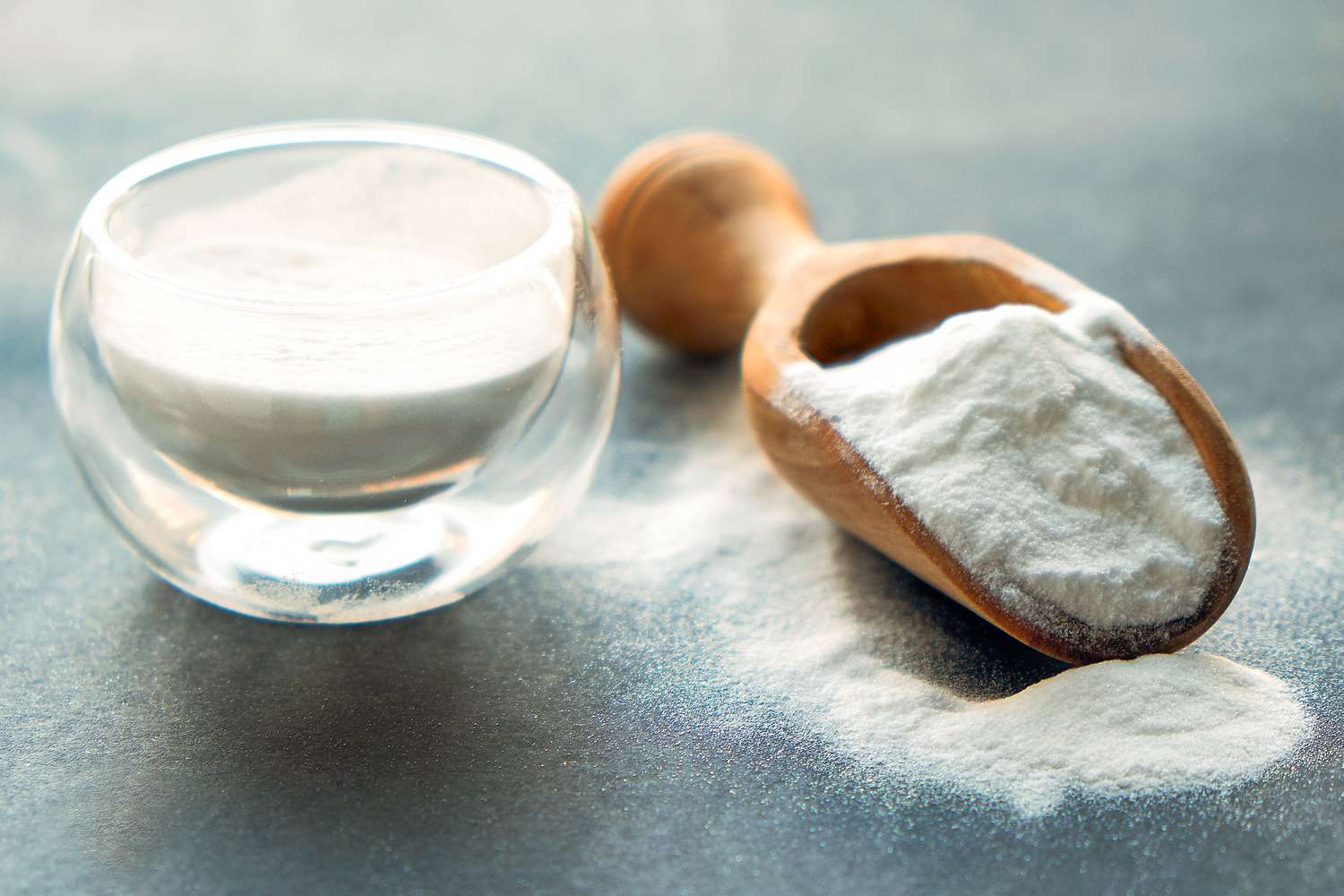
Baking Soda vs. Baking Powder: Decoding the Secret to Perfect Bakes
In the world of baking, two humble white powders often stand side-by-side in the pantry, frequently confused, yet each holding a distinct power to transform your culinary creations. Understanding the critical difference between
baking soda vs baking powder is not just for professional chefs; it's a fundamental lesson for any home baker aspiring to light, fluffy cakes, perfectly risen muffins, and tender cookies. While both are leavening agents that help baked goods rise, they achieve this through entirely different chemical reactions, and knowing when to use each is the key to unlocking consistent baking success.
Imagine pouring your heart into a recipe, only for your cake to turn out dense and flat, or your cookies to spread too much with a metallic aftertaste. Often, the culprit isn't a lack of skill, but a misunderstanding of these two essential ingredients. This comprehensive guide will demystify baking soda and baking powder, explaining what they are, how they work, and when to use each for consistently perfect results every time.
The Fundamental Difference: Baking Soda Explained
At its core,
baking soda is pure sodium bicarbonate, an alkaline compound. Its magic lies in its rapid reaction with an acid. When sodium bicarbonate comes into contact with an acidic ingredient and moisture, it immediately produces carbon dioxide gas. These tiny bubbles of gas are what get trapped in your batter, expanding as they heat up in the oven, causing your baked goods to rise.
What Baking Soda Is Made Of and How It Works
*
Composition: 100% Sodium Bicarbonate (NaHCO₃).
*
Reaction Mechanism: Requires an acid + moisture. The moment these elements meet, the chemical reaction begins, and CO₂ gas is released almost instantly.
*
Key Characteristic: Works very quickly. Recipes relying solely on baking soda need to be baked immediately after mixing to capitalize on the initial burst of leavening before the gas escapes.
*
Common Acidic Triggers:
* Buttermilk, yogurt, sour cream
* Lemon juice, vinegar
* Molasses, honey
* Brown sugar
* Natural (unsweetened) cocoa powder (Dutch-processed cocoa is less acidic)
* Fruit purees (e.g., applesauce)
When the reaction is perfectly balanced, baking soda provides a quick lift, contributes to a delicate crumb, and often promotes deeper browning in baked goods. However, if there's too much baking soda relative to the acid, or if there isn't enough acid to neutralize it, you might end up with an unpleasant metallic or soapy taste, and an overly dark or greenish crumb. This imbalance is a crucial factor in the
baking soda vs baking powder debate.
The Fundamental Difference: Baking Powder Unpacked
Unlike its singular counterpart,
baking powder is a complete leavening package. It's essentially baking soda that's already been pre-mixed with a dry acid and a starch (usually cornstarch) to keep the acid and base separate and stable until activated. The starch also acts as a buffer against moisture, preventing premature activation.
What Baking Powder Is Made Of and How It Works
*
Composition: Contains sodium bicarbonate (baking soda), one or more dry acids (e.g., cream of tartar, sodium aluminum sulfate, monocalcium phosphate), and a starch (e.g., cornstarch).
*
Reaction Mechanism: Most baking powders available today are "double-acting." This means they produce carbon dioxide gas in two stages:
1.
First Reaction: A small amount of gas is released when the baking powder is moistened in the batter (e.g., during mixing).
2.
Second Reaction: The majority of the leavening occurs when the batter is exposed to heat in the oven or steamer.
*
Key Characteristic: Does not rely on additional acidic ingredients in the recipe. The double-acting nature provides a more sustained and forgiving rise, giving batters more time to develop structure before baking.
*
Common Uses: Recipes that don't contain significant acidic ingredients, such as standard vanilla cakes, sugar cookies, scones, biscuits, and many types of muffins and quick breads.
The staggered release of gas from double-acting baking powder results in a more even, consistent rise and a finer, softer crumb compared to the rapid, singular lift provided by baking soda. This stability makes baking powder a go-to choice for recipes where batters might sit for a short while before baking, or for those aiming for a consistently soft, tender texture.
Beyond Lift: How Baking Soda vs. Baking Powder Affect Flavor, Texture, and Color
The choice between
baking soda vs baking powder extends far beyond just how much your bakes rise. These leavening agents significantly influence the final flavor, texture, and even color of your finished product.
*
Flavor:
*
Baking Soda: When adequately neutralized by acid, baking soda contributes a subtle tang and enhances the flavor of ingredients like chocolate (making cocoa powder taste richer and darker). If not fully neutralized, it can leave a harsh, bitter, or soapy aftertaste.
*
Baking Powder: Tends to be more flavor-neutral, allowing other ingredients to shine without any noticeable chemical notes.
*
Texture:
*
Baking Soda: Often results in a coarser, more open crumb with a slightly chewier texture. It can also promote a more even spread in cookies.
*
Baking Powder: Typically yields a finer, more tender, and softer crumb, ideal for light cakes and delicate pastries. The sustained rise helps create an even air distribution.
*
Color:
*
Baking Soda: Being alkaline, it reacts with certain pigments, such as those found in natural cocoa powder, creating a darker, reddish-brown hue (think classic red velvet cake). It also promotes deeper browning on the exterior of baked goods.
*
Baking Powder: Generally leads to a lighter, more golden-brown color in the final product.
For a deeper dive into these nuances, explore our article:
Beyond Rise: How Baking Soda & Powder Affect Flavor & Texture.
Navigating Your Recipes: When to Choose Which
The recipe itself is your best guide. Pay close attention to the other ingredients listed to determine whether
baking soda vs baking powder is the correct choice, or if perhaps both are needed.
When to Use Baking Soda
*
Recipes with Acidic Ingredients: This is the primary indicator. If your recipe calls for buttermilk, yogurt, sour cream, lemon juice, vinegar, molasses, or natural cocoa powder, baking soda is likely the star leavening agent.
*
Examples: Buttermilk pancakes, chocolate fudge cake (using natural cocoa), lemon poppy seed muffins, some cookie recipes that aim for spread and chewiness.
*
Actionable Tip: Once your wet and dry ingredients are combined in a baking soda-reliant recipe, get it into the oven (or onto the griddle) as quickly as possible to maximize the leavening power.
When to Use Baking Powder
*
Recipes Lacking Significant Acid: If your recipe primarily uses neutral liquids like milk or water and does not contain strong acidic components, baking powder is your go-to.
*
Examples: Classic vanilla cake, standard sugar cookies, scones, biscuits, sponges, and many quick breads.
*
Actionable Tip: Baking powder offers a bit more flexibility in terms of timing. While you shouldn't let batter sit indefinitely, the double-acting nature means you don't need to rush quite as much as with baking soda.
When to Use Both Baking Soda AND Baking Powder
Sometimes, a recipe calls for both, and this is not a mistake! This combination is used for several reasons:
*
Acidity and Extra Lift: The baking soda neutralizes the acid (for flavor and color control) and provides an initial boost, while the baking powder ensures additional, sustained lift. A prime example is red velvet cake, where baking soda reacts with the acidic cocoa and buttermilk for color and a quick rise, while baking powder guarantees ample overall volume.
*
Achieving Specific Textures: In certain cookie recipes, baking soda might be used for spread and a chewier texture, while a smaller amount of baking powder provides a bit of fluffiness or thickness.
Substitution & Troubleshooting for Home Bakers
The age-old question: Can you substitute
baking soda vs baking powder for each other? While technically possible in very specific scenarios, it's generally *not recommended* as it drastically alters the outcome.
The Dangers of Substitution
*
Substituting Baking Powder for Baking Soda: Baking powder contains baking soda, but in a much smaller proportion, along with its own acid. You would need to use 3-4 times the amount of baking powder to get a comparable leavening effect, which can lead to a chalky taste and an over-reliance on chemical leaveners. More importantly, it won't neutralize any acids in your recipe, affecting flavor and color.
*
Substituting Baking Soda for Baking Powder: This is even trickier. You'd need to add an acid to activate the baking soda (e.g., 1/4 teaspoon baking soda per 1/2 cup acidic liquid like buttermilk, or with a teaspoon of lemon juice/vinegar per 1/4 teaspoon baking soda). This can throw off the liquid balance and flavor profile of your recipe.
Our Advice: Stick to what the recipe recommends. If you find yourself out of one, it's often better to choose a different recipe or make a quick trip to the store. For more in-depth guidance on leavening, check out:
Mastering Leavening: Your Guide to Baking Soda vs. Baking Powder.
Practical Tips for Perfect Bakes
*
Check Freshness: Leavening agents lose potency over time.
*
Baking Soda: Mix 1/4 teaspoon with 2 tablespoons of vinegar or lemon juice. If it bubbles vigorously, it's fresh.
*
Baking Powder: Mix 1 teaspoon with 1/2 cup of hot water. If it bubbles, it's good to go.
*
Measure Accurately: Precision is paramount in baking. Use proper measuring spoons and level them off.
*
Store Properly: Keep both in airtight containers in a cool, dry place. Humidity is their enemy.
*
Don't Overmix: Overmixing can deflate the precious carbon dioxide bubbles, leading to dense bakes. Mix until just combined.
*
Bake Promptly: Especially with baking soda-reliant recipes, don't let your batter sit around.
Conclusion
Mastering the difference between
baking soda vs baking powder is a cornerstone of confident baking. While they may look similar, their chemical actions are distinct, each suited to specific types of recipes and desired outcomes. Baking soda, the fast-acting alkaline, thrives in acidic environments, contributing to spread, chewiness, and browning. Baking powder, the self-contained double-agent, offers a steady, even rise, perfect for delicate textures and batters that need a little more time.
By understanding these fundamental principles, you remove the guesswork from your baking. You'll not only create consistently light, tender, and delicious treats but also gain a deeper appreciation for the science and artistry behind every perfect crumb. So, the next time you reach for a white powder, remember the power it holds and choose wisely for your baking success!